Contemporary Low-Carbon Architecture with Passive Design and Natural Materials
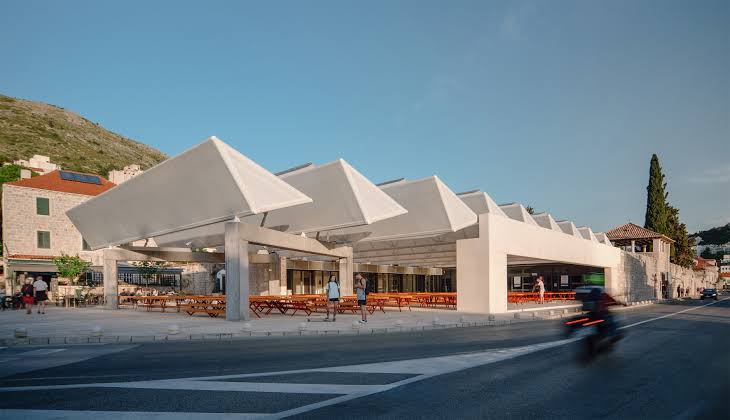
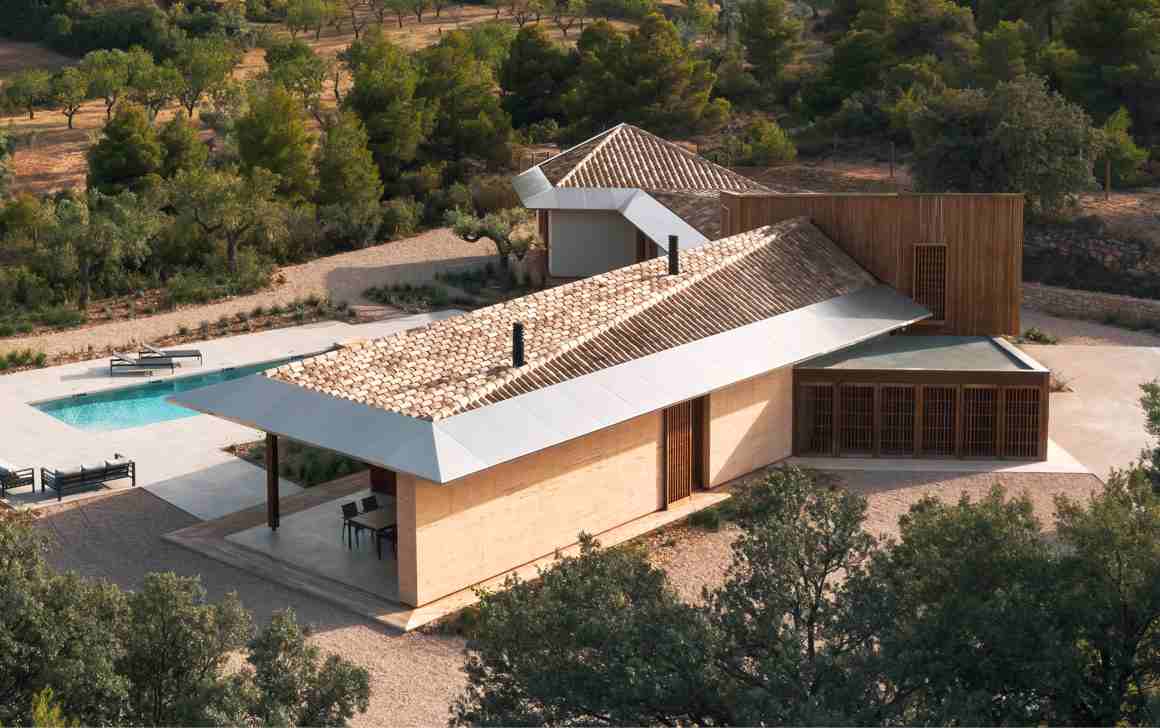
This project exemplifies low-carbon architecture through the careful integration of earth-based construction, timber elements, and passive design principles. The building’s long, horizontal form is defined by thick earth walls that provide thermal mass, stabilizing indoor temperatures while reducing dependence on mechanical heating and cooling systems.
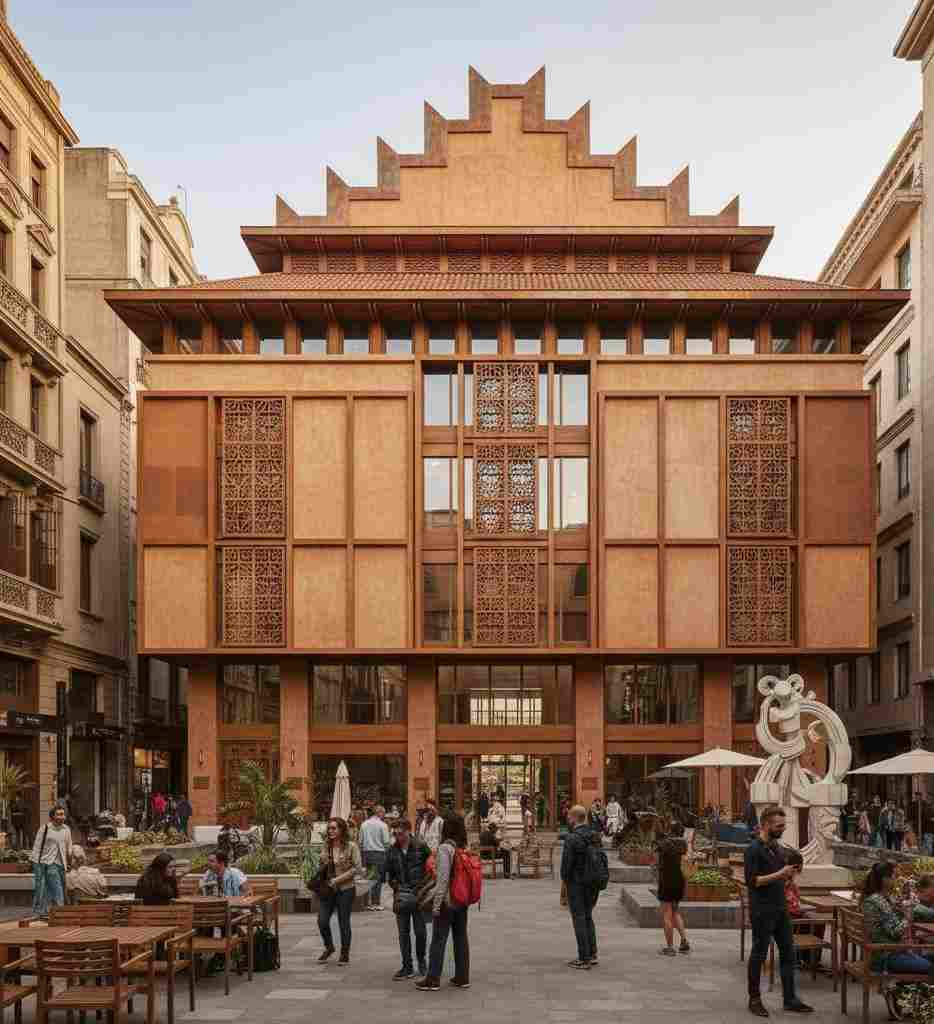
A generous roof overhang shades the façade, limiting direct solar gain during hot periods while allowing soft daylight to penetrate deep into the interior. Timber screens and cladding are used selectively as both aesthetic and functional elements, supporting ventilation, solar control, and privacy.
The material palette is intentionally restrained. Earth walls minimize embodied carbon compared to conventional concrete, while timber, as a renewable resource, adds warmth and precision to the architectural language. These materials age naturally, reinforcing long-term environmental performance and reducing maintenance demands.
Set within a natural landscape, the building responds to its climate rather than imposing itself upon it. Passive strategies such as orientation, shading, and cross-ventilation work in harmony with the site to achieve comfort and durability without excessive technology.
This approach reflects a broader shift toward resource-efficient, resilient architecture, making the project a strong reference for residential, cultural, and institutional buildings seeking a reduced environmental footprint.