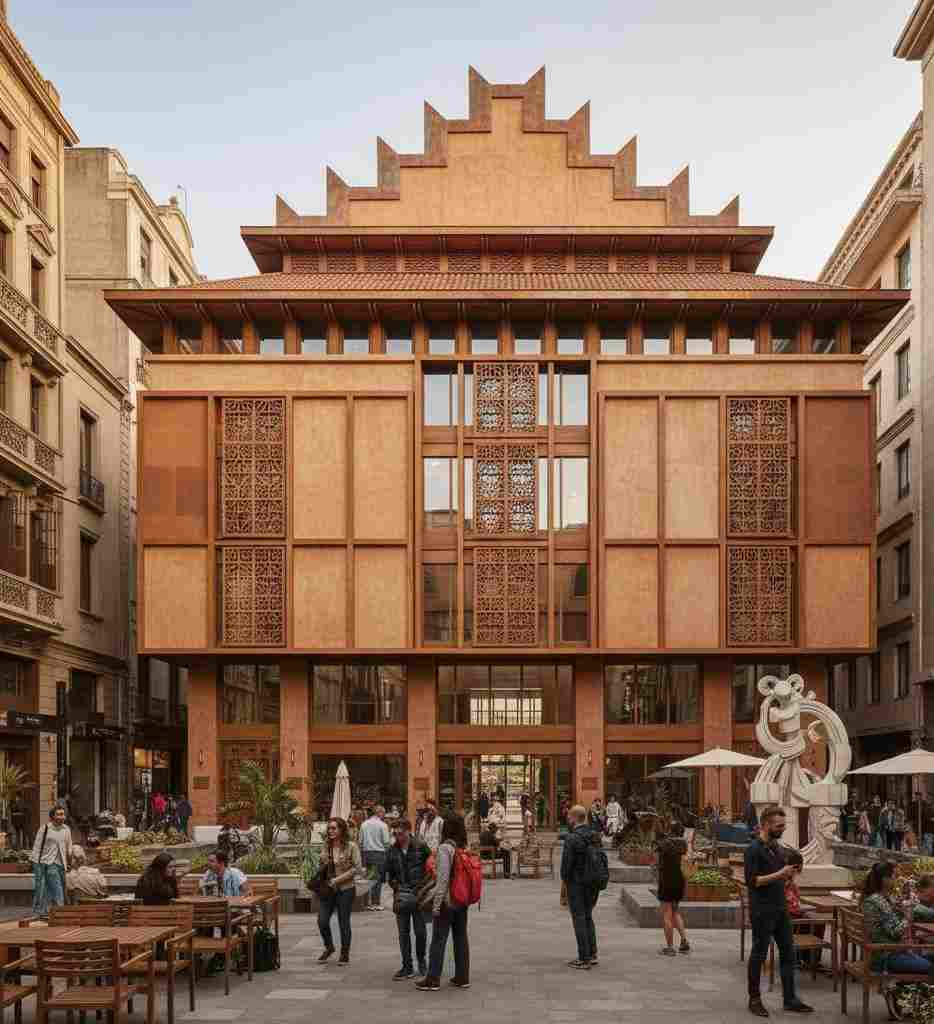
Cultural Identity and Contextual Design
Architecture Rooted in Cultural Identity reflects the values, traditions, climate, and social patterns of the people it serves.
Rather than relying on generic solutions, culturally responsive architecture draws inspiration from local history, indigenous materials, craftsmanship, and community lifestyles, ensuring buildings feel authentic and connected to their surroundings.
Contextual design preserves heritage while allowing innovation. By responding to site conditions, cultural narratives, and regional building techniques, architects create spaces that respect the past and remain relevant to contemporary needs.
Architecture that honors cultural identity promotes sustainability, social inclusion, and long-term relevance, aligning design decisions with local knowledge, environmental conditions, and community values to produce spaces that are functional and culturally enduring.
Read more on HezArch